If your gift shop feels quieter more often than it should, the solution is not more random products or louder sales signs. What consistently brings new people through the door and keeps regulars coming back is experience.
Shops that grow today combine visual attraction, emotional connection, personalized offers, and subtle reasons for customers to visit again and again. The eight strategies below focus on doing exactly that.
These are not vague branding tips. Each one is built around proven retail behavior patterns that increase foot traffic, raise average basket value, and create word-of-mouth marketing that money cannot buy.
1. Turn Your Window Into a Weekly Conversation Starter
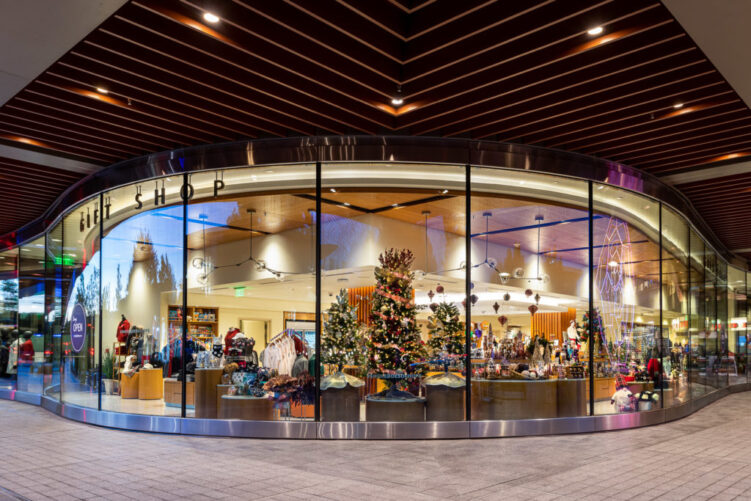
Your shop window is your most powerful ad space, and it works 24/7 without costing anything once it is built. The problem is that many gift shops change their window displays only seasonally. That is not enough. People stop seeing things that stay the same.
The highest-performing small retail stores refresh their window every one to two weeks. The goal is not perfection. The goal is movement, novelty, and a reason to look again. A rotating theme works better than random product placement. One week, it can be minimalist gifts under $20. Next week, it can be cozy home items. Another week can focus on quirky handmade items.
Consistency creates expectation. Locals begin to glance at your window automatically because they know it changes. That alone increases walk-ins significantly. Retail foot-traffic studies consistently show that dynamic windows can lift store entry rates by 20 to 30 percent in small urban retail environments.

2. Create a “Gift Emergency” Section That Solves Real Problems
A large portion of gift purchases is made under time pressure. Someone forgot a birthday. A coworker is leaving tomorrow. A dinner invite came unexpectedly. Most gift shops fail to organize for this reality.
Dedicate a visible, clearly labeled section to fast solutions. This zone should contain ready-to-go gifts with clear price ranges, neutral designs, and universal appeal.
What makes this section powerful is psychological relief. People walk in stressed and walk out feeling rescued. That emotion is memorable and brings repeat visits.
Here is a simple structure that works well:
|
Gift Type |
Ideal Buyer Situation |
Price Range |
Why It Converts |
| Scented candles | Last-minute dinner invite | $15–$30 | Safe, universal choice |
| Neutral mugs | Office gifts | $10–$25 | Practical and personal |
| Small spa kits | Thank-you gifts | $20–$40 | Feels premium without risk |
| Desk accessories | Coworker farewells | $15–$35 | Professional tone |
When people know your store solves urgency, you stop being “just another gift shop” and become a dependable resource.
3. Make Personalization a Front-Stage Experience
Personalization is no longer a luxury. It is an expectation. Shoppers want names, dates, inside jokes, and custom visuals. What matters most is not only offering personalization but making it visible while it happens.
If you already sell personalized items, move part of that process closer to customers. Display samples. Show mockups. Let people watch the transformation from blank to personal.
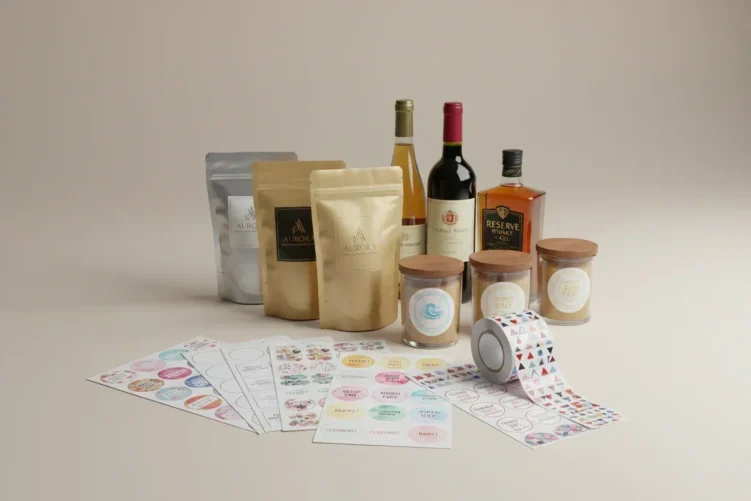
This is also where printed products come into play. For gift shops that offer event-based gifts, being able to design and print custom invitations directly inside the sales conversation adds powerful upselling potential. Customers planning birthdays, baby showers, weddings, or corporate events are already in an emotional purchasing state.
4. Use “Micro-Events” Instead of Big Promotions
Small shops rarely benefit from giant ad campaigns or once-a-year sales. What works better is regular, low-pressure micro-events that feel casual and local.
Examples include:
An artist signing afternoon
A candle-making demonstration
A holiday wrapping workshop
A “bring your old mug, get a discount on a new one” day
These are not about crowds. They are about community rhythm. When customers associate your store with moments rather than just merchandise, loyalty grows stronger and price sensitivity drops.
Micro-events also fuel organic content. Customers take photos. They post stories. They tag your store. That content spreads through local networks far more effectively than ads.
5. Build a “Return Reason” Into Every Purchase
Most gift shops focus on getting the first sale and forget about the second one. The easiest way to increase revenue without increasing traffic is to give customers a built-in reason to return.
This can be done quietly and elegantly:
A small card offering a future discount
A seasonal preview invitation
A loyalty stamp toward a free item
A secret in-store only offer
The key is subtlety. You are not pushing. You are planting future curiosity.

Here is a simple comparison of return-trigger mechanics:
|
Method |
Cost to Store |
Customer Motivation |
Repeat Visit Likelihood |
| Discount card | Low | Savings | Medium |
| Seasonal preview invite | Very low | Access and curiosity | High |
| Loyalty stamp | Low | Progress reward | High |
| Event-only invite | Very low | Belonging | Very high |
Return triggers compound over time. A store with steady repeat visitors becomes financially stable even in slow seasons.
6. Turn Slow-Moving Products Into Curated Story Displays
Every shop has slow sellers. Most shops hide them. Smart shops reframe them.
Instead of isolating slow items, group them into a themed narrative. A “Rainy Sunday Morning” table might mix a slow-moving mug, a candle no one noticed before, and a notebook that sold only occasionally. Alone, each struggles. Together, they tell a story that gives emotional permission to buy.
Stories sell because they reduce decision fatigue. Customers no longer choose between objects. They choose between moods.
This works especially well near checkout zones where dwell time is already high.
7. Partner With Local Creators Instead of Competing With Them
One of the fastest ways to refresh your product mix without inventory risk is partnering with local makers on a rotating basis. Small batch jewelry. Handmade ceramics. Seasonal art prints. Niche sketchbooks.
The creator promotes their appearance. You gain foot traffic without advertising spend. Customers feel discovery energy instead of repetition.
Even better, these collaborations work well tied to micro-events. The result is predictable traffic bumps with minimal marketing overhead.

8. Train Staff to Sell Emotion, Not Features
Most gift shop staff describe products instead of translating what the product means for the buyer. Features explain. Emotions convert.
Compare these two approaches:
“This candle is soy-based and burns for 40 hours.”
versus
“This is the candle people buy when they want their home to feel calm after a long workday.”
The second version sells identity, not wax.
This shift alone often raises average order value because customers stop buying “a thing” and start buying a feeling they want to take home.
How These Strategies Work Together in Real Life
What makes these eight ideas powerful is not their individual impact but how they reinforce one another. A refreshed window brings new eyes. A gift emergency section captures spontaneous buyers. Personalization and invitations raise order size. Micro-events bring community rhythm. Return triggers stabilize repeat visits. The story displays move slow-moving stock. Creator partnerships refresh inventory without risk. Emotional selling increases perceived value.