Did you know that the French Riviera enjoys more than 300 days of sunshine per year?
That single fact explains why this stretch of Mediterranean coastline has been pulling travelers back for decades.
Still, sunshine alone does not guarantee the perfect trip. Timing shapes everything here, from the atmosphere in coastal towns to hotel prices, sea conditions, and how crowded the promenades feel.
Choosing the right moment to visit the French Riviera can mean the difference between a relaxed coastal escape and a hectic, shoulder-to-shoulder experience.
Before booking flights or hotels, it helps to understand how each season really feels on the ground, beyond the glossy photos.
Understanding the Riviera Climate and Seasonal Rhythm
The French Riviera follows a clear seasonal rhythm shaped by the Mediterranean climate, but local nuances matter more than many expect.
Summers are warm and dry, winters mild and calm, while spring and autumn sit in a comfortable middle ground.
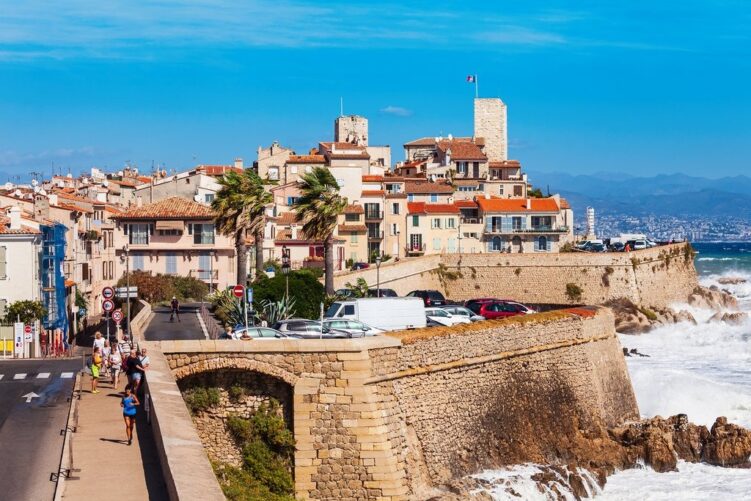
Coastal breezes moderate the heat, especially in places like Nice and Antibes, but inland villages can feel noticeably warmer.
Rainfall is limited overall, though sudden showers are more likely in late autumn. What surprises many visitors is how alive the Riviera remains year-round.
Even outside peak months, cafés stay open, markets run regularly, and coastal paths remain walkable.
Understanding this rhythm helps travelers choose based on experience, not assumptions.
Visiting in Spring: Fresh Energy Without the Crowds
Spring, especially from April to early June, is often considered one of the most balanced times to visit the French Riviera.
The weather warms gradually, flowers bloom across hillsides, and seaside towns regain energy after winter.
Temperatures usually sit comfortably between mild and warm, making it ideal for walking tours, outdoor dining, and coastal hikes.
Spring travel offers several clear advantages:
- Prices for accommodation are lower than in peak summer.
- Beaches feel relaxed and uncrowded.
- Cultural events begin to return without overwhelming tourism.
This is also a popular time for scenic drives along the coast and exploring inland villages. The sea may still be cool for long swims, but the overall atmosphere feels calm, colorful, and welcoming.
Summer on the French Riviera: Glamour, Energy, and High Season
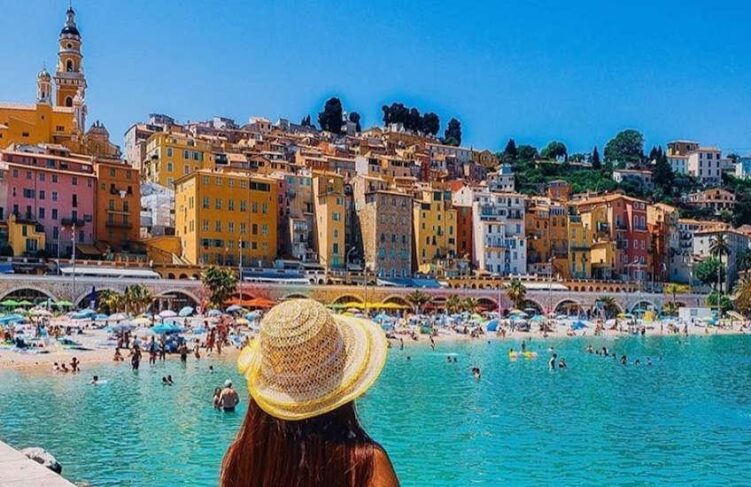
Summer on the French Riviera, from late June through August, delivers exactly what many travelers imagine: vibrant beaches, packed cafés, and a lively social scene that lasts well into the night.
Coastal towns buzz with festivals, yacht traffic, and international visitors. This is when the Riviera shows its most glamorous side, especially in hotspots like Cannes, Monaco, and Saint-Tropez.
Did you know? July and August account for nearly half of the Riviera’s annual tourism revenue, according to regional tourism boards.
For those drawn to the maritime lifestyle, summer is prime time for boating experiences, including options like Navélia yacht charter Cannes, which allow visitors to explore hidden coves and quieter stretches of coastline away from crowded beaches.
While summer brings long sunny days and warm seas, travelers should expect higher prices, limited availability, and a fast-paced atmosphere.
Autumn Travel: Warm Seas and a Slower Pace
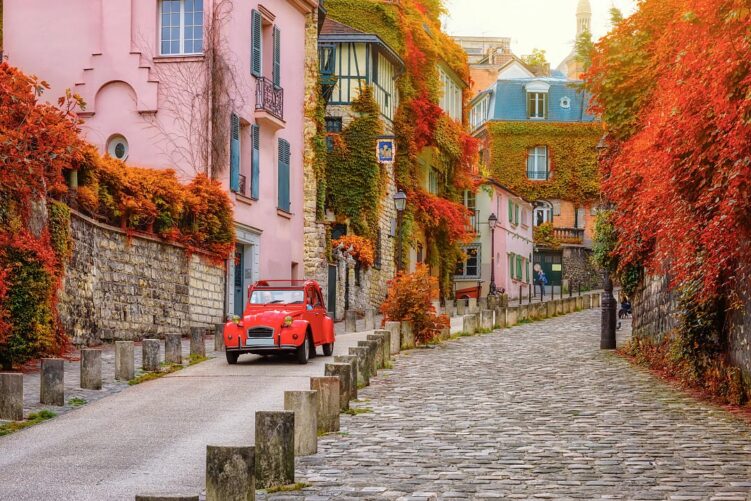
Autumn, particularly September and October, offers one of the most underrated Riviera experiences.
Sea temperatures remain warm from the summer sun, while air temperatures cool slightly, creating ideal conditions for swimming and sightseeing. Crowds thin out noticeably, especially after August ends, and the Riviera regains a more local, relaxed feel.
This season is especially appealing for travelers who want:
- Easier restaurant reservations.
- More affordable accommodation options.
- Comfortable weather for outdoor activities.
Autumn also brings harvest season inland, with wine events and food festivals adding depth to the experience. It is a time when the Riviera feels lived-in rather than staged, offering a more authentic connection to daily life.
Winter on the Riviera: Quiet Beauty and Cultural Focus
Winter is the least crowded season on the French Riviera, yet it still surprises many visitors.
From December through February, temperatures remain mild compared to northern Europe, often hovering in the low teens Celsius.
Snow is rare along the coast, though it appears in nearby alpine regions, making day trips possible.
Winter travel suits those interested in:
- Museums, galleries, and historic towns.
- Calm seaside walks without crowds.
- Lower hotel rates and relaxed service.
While beach lounging is limited, winter highlights the Riviera’s cultural depth. Cities like Nice and Menton host festivals, and local markets remain active. It is a quieter, more introspective way to experience the region.
Comparing Seasons at a Glance
Below is a simple comparison to help visualize how each season differs across key factors.
| Season | Weather Comfort | Crowd Levels | Prices | Best For |
| Spring | Mild to warm | Moderate | Medium | Sightseeing, hiking |
| Summer | Hot and sunny | Very high | High | Beaches, nightlife |
| Autumn | Warm and stable | Low to moderate | Medium | Swimming, culture |
| Winter | Cool but mild | Low | Low | Museums, calm travel |
This overview highlights how timing shapes the entire experience, not just the weather.
Major Events That Influence Travel Timing
The French Riviera hosts several globally recognized events that can dramatically affect availability and pricing.
The Cannes Film Festival in May brings international attention, packed hotels, and limited access to certain areas.
Monaco’s Grand Prix in late May turns the principality into a motorsport hub, with sharp price increases and restricted movement.
Summer features music festivals and regattas, while winter hosts lemon festivals in Menton and Christmas markets along the coast.
These events add excitement but also demand advance planning. Travelers seeking quiet stays may want to avoid event weeks, while others may plan specifically around them.
Choosing the Right Time Based on Travel Style
The best time to visit the French Riviera depends largely on what you want from the trip. Travelers focused on beaches and social energy often prefer summer, despite the crowds. Those interested in photography, walking tours, and cultural exploration usually enjoy spring or autumn more.
A few guiding considerations can help narrow the choice:
- Prefer calm mornings and easy dining? Autumn fits well.
- Want iconic Riviera buzz and nightlife? Summer delivers.
- Traveling on a budget? Winter offers the best value.
Matching the season to your travel style ensures expectations align with reality, making the experience far more satisfying.
Practical Tips for Planning Your Riviera Trip
Planning ahead is especially important on the French Riviera due to seasonal fluctuations. Booking accommodations early for peak months helps avoid inflated prices.
For shoulder seasons, flexibility often leads to better deals and room upgrades.
A few practical tips include:
- Reserve restaurants in advance during summer.
- Pack layers for spring and autumn evenings.
- Consider coastal transport options to avoid traffic during peak times.
Small planning decisions make a noticeable difference in comfort and overall enjoyment, regardless of when you visit.
Final Thoughts on Timing Your Visit
There is no single best time to visit the French Riviera, only the best time for your preferences.
Each season reveals a different personality, from lively summer glamour to peaceful winter charm.
By understanding what each period offers and what it demands, travelers can shape an experience that feels intentional rather than rushed.
The Riviera rewards thoughtful timing with moments that feel personal, whether that means quiet seaside mornings or evenings filled with coastal energy.