A house usually fails in boring, quiet steps. A slow drip under a sink. A gutter that clogs one leaf layer at a time. A dryer vent that gradually packs with lint. An HVAC filter that turns gray in the background. None of that screams emergency, so the repair gets delayed, and the invoice grows legs later.
Regular home care is early detection plus basic risk control. The goal stays simple: catch small defects while repairs still feel cheap, quick, and predictable. Insurance claim categories and safety research align with that logic.
According to the Insurance Information Institute , from 2019 to 2023, 5.6% of insured homes had a claim in a given year, with wind and hail as the largest share, followed by water damage and freezing. Home care targets the parts of a home that turn weather and wear into expensive damage.
Why Expensive Problems Usually Start the Same Way
Most high-cost failures trace back to three roots:
- Water where it does not belong : leaks, drainage failures, roof intrusion, condensation, mold
- Heat where it should not be : overworked HVAC, blocked exhaust paths, electrical resistance, fire risk
- Movement that goes unchecked : settlement, rot, swelling, fastener loosening, cracked seals
Regular maintenance keeps the building envelope and core systems within safe operating limits. A homeowner avoids “surprises” by shrinking the window where a minor defect can spread.
Water Management Brings the Highest Return
Water damage costs so much because water travels. It wicks. It hides behind cabinets and under floors. It soaks insulation. It invites rot.
A small roof leak can quietly wet the roof deck and insulation for months before a ceiling stain appears. A slow plumbing seep can swell particleboard and warp flooring long before a puddle forms. Also, you should be careful with water in your backyard, especially if you have a pond.
Gutters and Downspouts Protect More Than the Roof Edge
Gutters look basic, and they shield complex systems. When gutters clog, roof runoff spills over fascia, finds gaps, and dumps right next to the foundation.
Water at the foundation means higher odds of basement seepage, slab movement, crawl space moisture, and long-term structural rot.
Flood mitigation guidance emphasizes keeping gutters and downspouts installed, repaired, and free of debris because clogs can drive severe water damage.
Practical Gutter Routine
- Clean gutters and confirm downspouts flow freely.
- Check that downspouts discharge away from the foundation.
- After heavy storms, look for overflow marks on siding or fascia.
- Confirm splash blocks or drain extensions stay in place.
In wildfire-prone regions, gutter debris also becomes ignition fuel. Clearing leaves and needles reduces ember risk around rooflines.
If your gutters are already overflowing, book Gutter Cleaning Sydney before the next storm turns that roof runoff into fascia rot and foundation splashback.
Stop Small Leaks Before Wet Materials Become a Project
Tiny plumbing problems usually show up as subtle clues: a toilet that runs, a faucet that drips, a supply line that “sweats,” a cabinet base that starts to bow.
Fixing leaks reduces water bills, and a well-known estimate ties easy household leak fixes to roughly 10% savings on water costs, as per the EPA . The bigger win comes from avoiding hidden rot, mold growth, and flooring replacement.
Monthly Leak Scan That Pays Back
- Look under sinks for moisture, corrosion, or swollen cabinet panels.
- Check behind toilets for dampness at shutoff valves and supply lines.
- Inspect the water heater area for rust streaks, damp insulation, or a soft floor.
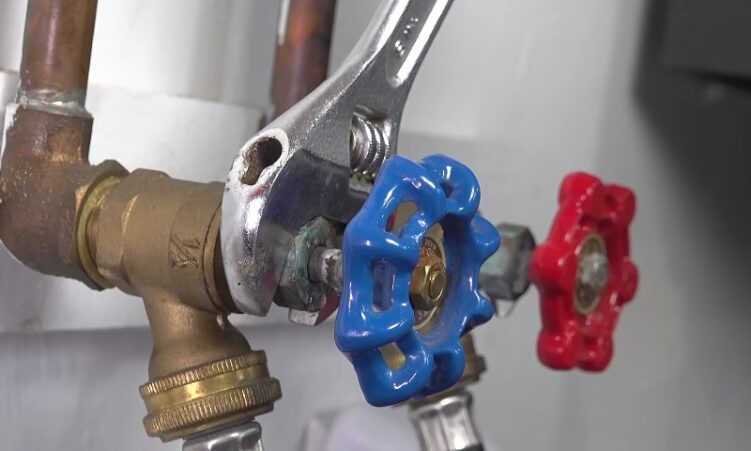
- Locate the main water shutoff and verify it turns.
Preventive Replacements Worth Doing
- Replace aging braided supply lines on sinks, toilets, and washing machines.
- Swap worn toilet flappers and fill valves before they fail.
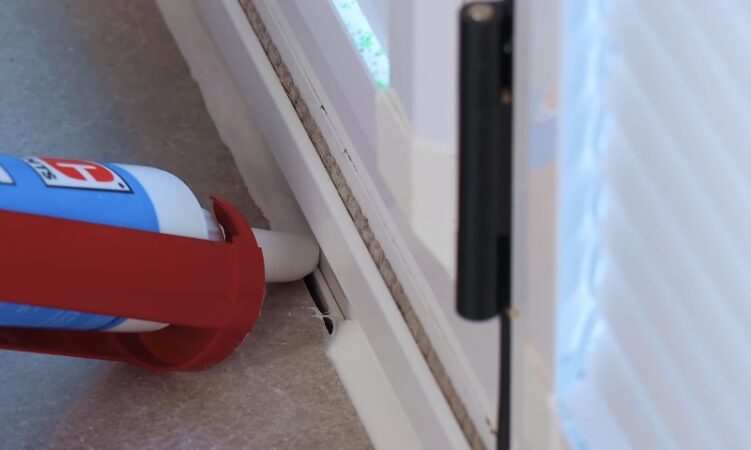
- Replace cracked caulk at tubs, showers, and backsplashes.
Moisture Control Prevents Mold, and Mold Follows Moisture
Mold prevention starts with moisture control. Guidance on mold prevention centers on fixing water problems quickly, keeping humidity controlled, and preventing damp materials from staying damp.
High-Return Moisture Controls
- Run bathroom and kitchen exhaust fans during moisture-heavy use, plus extra time after.
- Keep indoor humidity in a reasonable range for the climate and season.
- Fix roof flashing issues and plumbing leaks quickly.
- Keep grading and drainage moving water away from the foundation.
Moisture management protects structure and finishes, plus indoor air quality. A small humidity problem can turn into a persistent odor, peeling paint, and respiratory irritation, along with building decay.
HVAC and Ventilation Care Prevents Early Failure and Budget Spikes
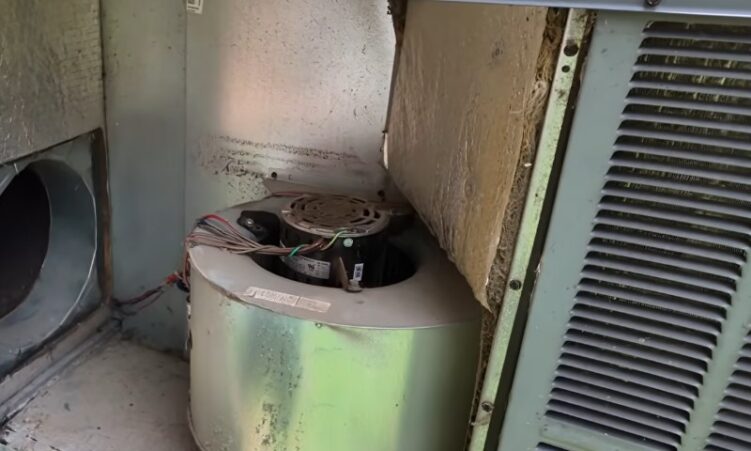
HVAC breakdowns feel expensive partly because they arrive during peak heat or peak cold. System care also shapes energy bills month after month.
Guidance on air conditioner maintenance highlights that dirty filters reduce airflow and efficiency, contribute to dirt buildup on components, and raise failure risk.
ENERGY STAR guidance also emphasizes checking filters monthly and changing them as needed, at least every 3 months, since restricted airflow forces the system to work harder.
A Realistic HVAC Routine
Filter Care
- Check the filter monthly.
- Replace or clean on a schedule that matches dust levels, pets, and runtime.
- Use the correct filter size and seat it properly to prevent bypass.
Outdoor Unit Basics
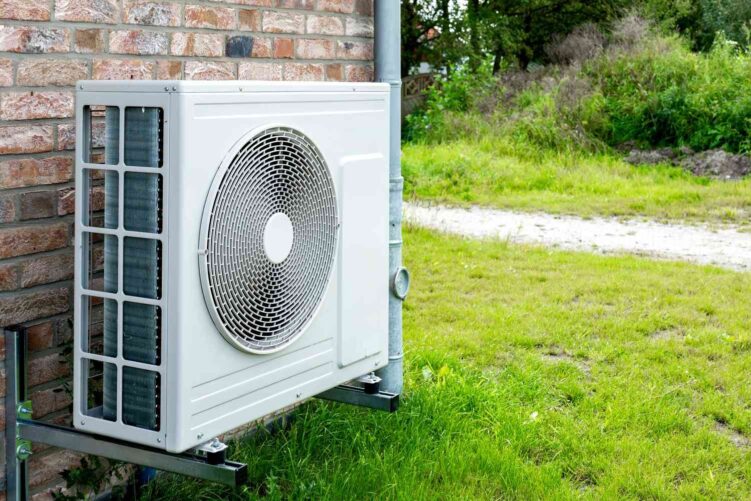
- Keep the condenser clear of vegetation and debris.
- Maintain a clear perimeter so airflow stays strong.
- Clear cottonwood fluff and leaves during seasonal surges.
Drainage and Moisture
- Confirm the condensate drain stays clear.
- Watch for water around the air handler and under drain lines.
When Professional Service Adds Value
- Seasonal maintenance on older or heavily used systems.
- Electrical connection checks, refrigerant performance checks, coil condition checks.
- Combustion safety checks for fuel-burning heating equipment.
Air Sealing and Insulation Pay Back Every Month
Envelope work counts as home care. Air leaks waste conditioned air, invite moisture, and increase HVAC wear.
ENERGY STAR estimates an average of 15% savings on heating and cooling costs by air sealing and adding insulation in key areas like attics and floors over crawl spaces. Lower load means less runtime, less strain, and fewer repairs.
Common High-Impact Projects
- Seal attic penetrations around plumbing stacks, wiring, and recessed fixtures.
- Weatherstrip exterior doors and attic hatches.
- Seal duct leaks in accessible areas.
- Add insulation where thin coverage shows, especially in attics.
Fire Prevention Works Best When the Home Gets Maintained
Fire safety includes behavior and upkeep. A home has systems that can drift into risky territory: grease buildup, overloaded outlets, aging cords, blocked vents, and neglected alarms.
Smoke Alarms Reduce Fatality Risk Dramatically
Research summarized by the fire safety community shows a large difference in outcomes when smoke alarms work.
The death rate per 1,000 home structure fires is about 60% lower in homes with working smoke alarms than in homes with no smoke alarms. That is a major risk reduction from a low-cost device plus regular testing.
Smoke Alarm Upkeep
- Test alarms on the schedule recommended by the manufacturer.
- Replace batteries as required by the alarm type.
- Replace alarms at end of service life per manufacturer guidance.
- Keep alarms installed in recommended locations, including near sleeping areas.
Dryer Vents Count as a Hidden Fire Maintenance Item
Dryers generate lint, and lint burns. Cleaning the lint screen helps, and lint can still build up inside the vent line over time. Crushed flex ducts, long runs with poor slope, and clogged exterior terminations increase overheating risk.
Dryer Vent Care
- Inspect the exterior vent termination for strong airflow.
- Clean vent lines on a schedule that fits laundry volume and vent length.
- Replace crushed flex ducting with proper vent materials where appropriate.
- Keep the run as short and straight as practical.
Cooking Fires Track Back to Routine Habits and Basic Upkeep
Fire reports consistently show cooking as a leading cause of reported home structure fires in the United States.
A clean range hood, manageable grease levels, and attention to overheated oil reduce risk. Keeping cooking areas clean and addressing grease buildup belongs in home care.
Carbon Monoxide Risk Drops With Maintenance and Correct Alarms
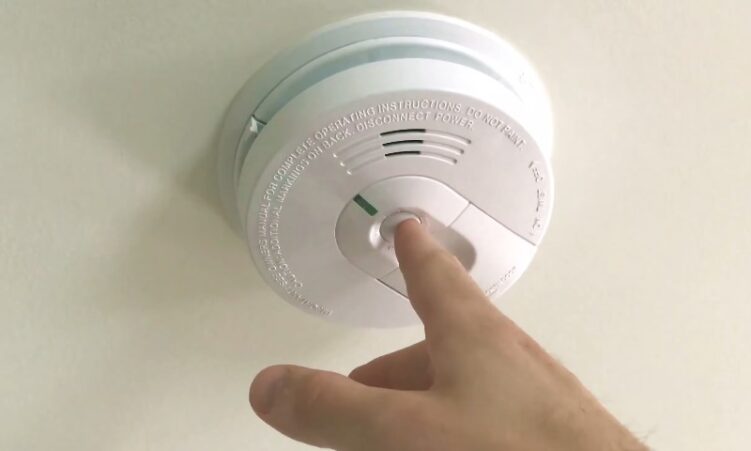
Carbon monoxide (CO) risk rises when fuel-burning appliances run with poor venting, poor maintenance, or blocked exhaust paths.
Annual estimates from a consumer safety authority include 204 non-fire CO poisoning deaths associated with consumer products in a 2021 estimate . CO is invisible, and prevention relies on ventilation, proper equipment function, and alarms.
CO Alarms and Appliance Checks
Placement guidance emphasizes alarms on each level of the home and outside sleeping areas. A practical approach uses one near bedrooms plus coverage on each floor.
CO-Related Home Care
- Test CO alarms on schedule and replace them per manufacturer lifespan guidance.
- Keep vents and flues unobstructed, especially after storms or renovations.
- Schedule inspection of fuel-burning appliances when performance changes or odors appear.
- Never run fuel-burning equipment in enclosed spaces without proper venting.
Radon Testing Is Part of Risk Checks, Even Without Visible Clues
Radon has no smell and no visual warning. Guidance ties action to test results. A common action threshold is 4 pCi/L, with a recommendation to consider action in the 2 to 4 pCi/L range as well.
Home changes can shift airflow patterns, so re-testing after major renovations, basement finishing, HVAC changes, or envelope sealing can make sense.
Pests and Rot Behave Like Slow Disasters
Termites and wood-destroying pests thrive where moisture and wood contact create easy access.
An industry estimate puts subterranean termite damage at about $5 billion per year in the United States. Moisture control and exterior details cut risk.
Termite and Rot Prevention
- Keep soil and mulch from touching wood siding and trim.
- Maintain clearance between grade and structural wood.
- Fix exterior leaks and keep crawl spaces dry and ventilated.
- Watch for mud tubes, soft wood, and blistering paint.
- Address plumbing leaks quickly, since moisture attracts pests and accelerates decay.
A Maintenance Loop That Prevents Surprise Expenses
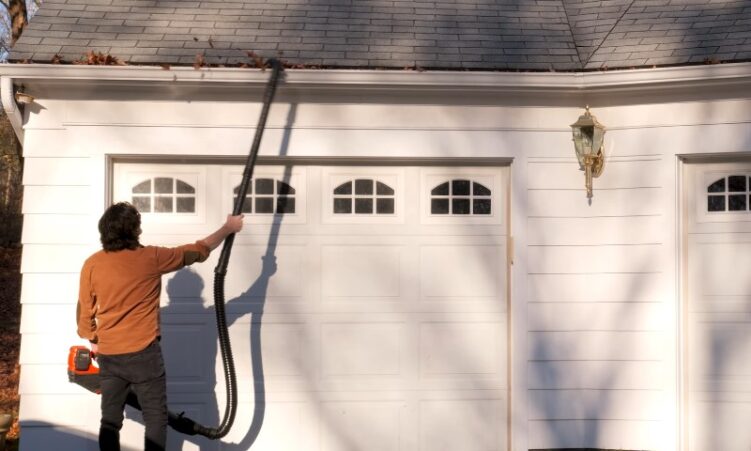
A complicated spreadsheet helps some people. Most households need a repeatable loop tied to the highest-risk systems.
Monthly checks catch leaks and airflow problems. Seasonal tasks track weather stress. Annual inspections handle the bigger wear items.
Monthly
- Scan under sinks, around toilets, and at the water heater for leaks.
- Check the HVAC filter condition, and replace it if dirty.
- Test smoke and CO alarms per device guidance.
- Walk the exterior, look for missing shingles, damaged caulk, and new cracks.
- Look at ceilings under bathrooms and around roof penetrations for stains.
Seasonal
Spring
Spring carries drainage stress from rain and melt in many climates.
- Clear gutters and confirm downspout discharge.
- Check grading and drainage after heavy rains.
- Service cooling equipment before peak heat.
Summer
Summer adds heat load and, in many regions, storm cycles.
- Inspect attic ventilation and signs of heat damage.
- Watch for moisture in attic spaces around penetrations.
- Manage vegetation near the home.
- Keep gutters clear in fire-prone regions.
Fall
Fall prep reduces freeze and storm problems.
- Clear gutters again before winter storms.
- Service heating equipment, especially fuel-burning systems.
- Seal exterior gaps that can drive drafts and pest entry.
Winter
Winter drives freeze risk, condensation risk, and ice dam risk in cold climates.
- Winterize outdoor spigots and exposed pipes where freezing is common.
- Watch for ice dams, condensation, and indoor humidity issues.
- After deep freezes, check for slow leaks and pressure changes.
Annual
- Professional HVAC tune-up when system age, runtime, or local conditions justify it.
- Water heater inspection and flushing per manufacturer guidance and water hardness.
- Roof inspection focused on flashing, penetrations, and valleys.
- Radon test, especially after renovations or airflow changes.
- Termite and moisture inspection in higher-risk regions.
Prevention Checklist Table
| System | Small routine | Frequency | Big problem it prevents | Why it matters |
| Gutters and downspouts | Clear debris, verify flow | 2x yearly, plus after storms | Foundation water intrusion, basement seepage | Clogged gutters can drive severe water damage. |
| Plumbing fixtures | Check for drips, replace worn parts | Monthly scan | Hidden rot, mold, expensive repairs | Easy leak fixes can reduce water bills around 10%, plus prevent damage. |
| HVAC filtration | Replace or clean filters | Monthly check | Early HVAC failure, higher energy use | Dirty filters restrict airflow and raise wear risk. |
| Air sealing and insulation | Seal leaks, add insulation | As projects allow | High energy costs, HVAC strain | Average heating and cooling savings estimated around 15%. |
| Smoke alarms | Test and maintain | Per device guidance | Higher fatality risk in fires | Fire death rate per 1,000 fires is about 60% lower with working alarms. |
| CO alarms | Install and place correctly, test | Ongoing | CO poisoning | Annual estimates include 204 non-fire CO deaths in a 2021 estimate, prevention relies on alarms and venting. |
| Moisture control | Fix leaks, vent moisture | Ongoing | Mold growth, building decay | Mold prevention focuses on moisture prevention and prompt repair. |
| Termite watch | Reduce moisture, inspect | Annual, plus after leaks | Structural wood damage | Termite damage estimates run into billions annually. |
Why Home Care Feels Like Luck When It Works
When maintenance succeeds, nothing happens. No emergency call. No flooded cabinet. No HVAC failure during a heat wave. That quiet outcome is controlled probability. Claim patterns show recurring categories, wind and hail, water damage and freezing, plus fire losses.
Regular care cannot stop storms or aging, and it reduces how easily a home turns a small defect into a large loss.