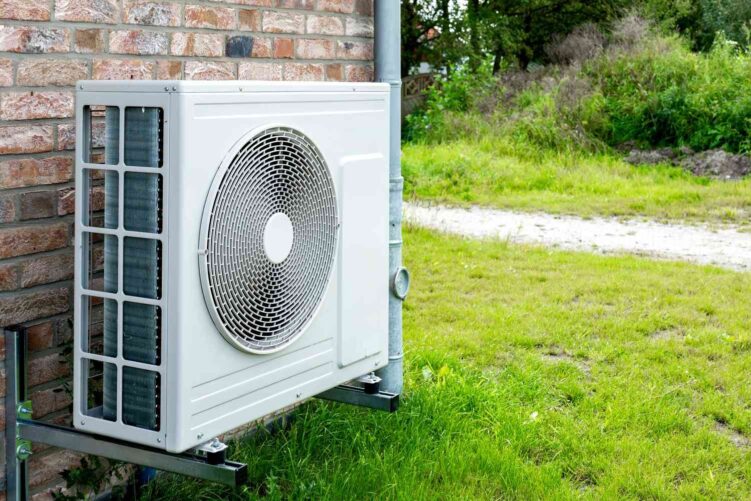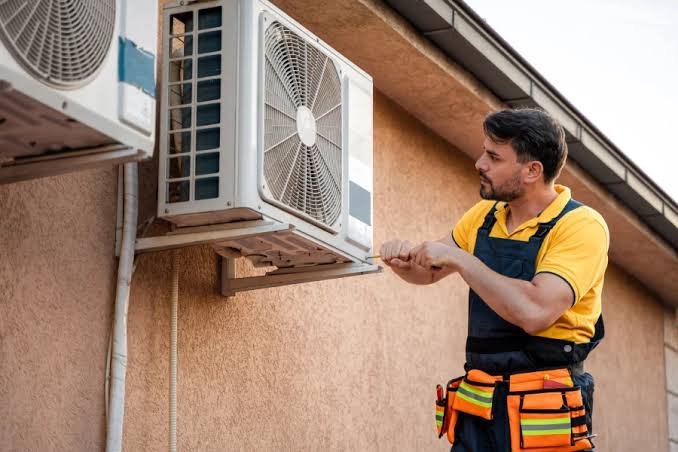
Where the outdoor unit is placed can influence airflow, heat exposure, system performance, and even how much electricity the AC uses over time. For this reason, AC unit placement should be considered as part of the overall installation process.
Proper air conditioner installation involves more than choosing the right equipment.
How AC Unit Placement Affects Energy Bills
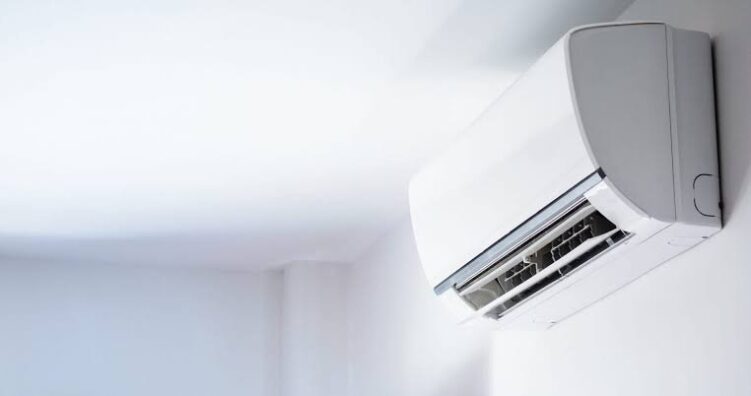
AC unit placement can affect how easily the outdoor condenser releases the heat removed from your home. When the unit has good airflow, reasonable protection from intense heat, and enough open space around it, the system can reject heat more efficiently.
A poorly placed outdoor unit may operate for longer periods or under higher pressure, which can increase electricity use. Placement is only one factor in energy costs, however. Equipment efficiency, duct condition, refrigerant charge, insulation, thermostat settings, filter maintenance, and local climate can have an even larger impact. Still, AC outdoor unit placement can contribute to the conditions under which the system operates every day.
An outdoor unit does not operate based only on the official outdoor temperature. It responds to the temperature of the air immediately surrounding it. A condenser sitting beside a sun-heated masonry wall, inside a tight alcove, or behind a solid privacy screen can experience much hotter conditions than a nearby unit in open air.
That local heat buildup can extend run time during the hottest part of the day. The effect may be modest in a well-designed location and much more noticeable where airflow is restricted.
This is one reason AC unit location can affect energy use even when two systems have similar efficiency ratings.
This is why two identical AC systems on the same street can operate under different conditions simply because one condenser is exposed to a hotter, more confined microclimate.
The most useful way to think about placement is as part of the system’s operating environment: the easier it is for the condenser to move air and release heat, the less unnecessary strain the system has to overcome.
Why AC Outdoor Unit Placement Affects Efficiency
The outdoor unit’s main job is to transfer heat from the refrigerant into the outside air. To do that effectively, it needs a steady supply of outdoor air and a clear path for hot discharge air to escape. Proper placement of AC outdoor unit equipment helps maintain these conditions.
Placement becomes a problem when the condenser repeatedly pulls in air that it has already heated. The condenser fan pushes heated air away from the coil. If that air hits a nearby wall, overhang, fence, or another condenser and returns to the unit, the system begins cooling itself with already-heated air.
This can happen in cramped corners, narrow side yards, enclosed patios, or spaces surrounded by solid fencing. In these situations, poor air conditioning unit placement can create a pocket of hot air around the equipment.
That can lead to longer cooling cycles, higher compressor workload, reduced capacity during very hot weather, and potentially higher energy consumption.
This creates a less favorable operating environment even when the coil itself is clean.
Good placement therefore involves more than keeping objects away from the cabinet. The discharged air needs somewhere to go, which is why air conditioner outdoor unit placement should account for both intake airflow and the direction of discharged air.
The Best Location For AC Unit
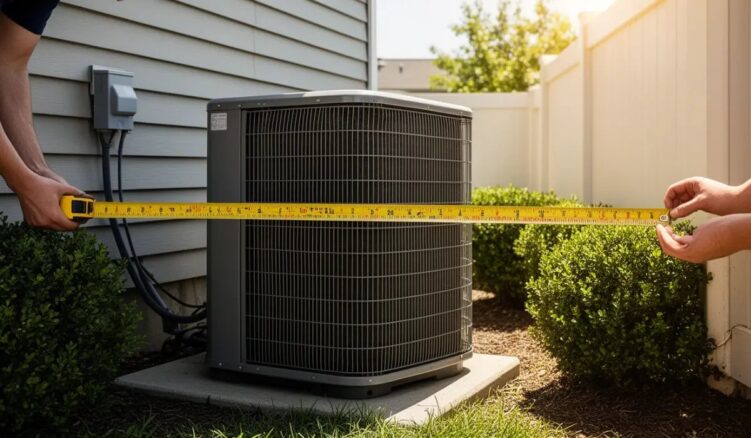
A strong location for an outdoor AC unit is usually an open, well-ventilated area where the condenser can draw in outdoor air from several directions and discharge heat without obstruction. In most cases, the best location for AC unit equipment is one that provides reliable airflow throughout the cooling season.
It should also have a stable, level base that allows proper drainage, enough service access for cleaning, inspection, and repairs, and separation from dryer vents, kitchen exhaust, falling roof runoff, heavy debris, dense shrubs, or structures that may trap hot air.
A good site also accounts for conditions homeowners sometimes overlook. The wall beside the condenser should not become an intense afternoon heat source.
Mulch, leaves, grass clippings, or dryer lint should not routinely be pulled toward the coil. Snow, drifting debris, or standing water should be considered where relevant.
Manufacturer installation instructions should always determine the final location because clearance requirements and airflow patterns vary by equipment. The correct AC unit location therefore depends partly on the design requirements of the specific system.
The best location is therefore not simply “in the shade.” It is the location that gives the equipment the most stable operating environment over many years. When evaluating the best location for AC unit installation, long-term airflow, access, drainage, and surrounding heat sources all matter.
How Poor Placement Of AC Outdoor Unit Restricts Airflow
An outdoor condenser moves a large volume of air across its coil. When walls, fencing, plants, stored items, or other equipment crowd the unit, they can limit the amount of air reaching the coil. Poor placement of AC outdoor unit equipment can therefore reduce airflow even when the unit itself is operating normally.
In practical terms, restricted airflow may cause the compressor and condenser fan to operate longer, especially during peak summer conditions. Longer operating time generally means more electricity consumption.
Airflow restriction does not always look dramatic. A condenser can appear to have space around it and still operate in a poor airflow pattern. This is why AC outdoor unit placement should be evaluated based on actual airflow rather than appearance alone.
For example, two condensers positioned too closely can interfere with each other. A unit installed in a three-sided courtyard can gradually heat the entire pocket of air around itself during long cooling cycles.
Airflow problems can become worse over time if leaves, grass clippings, cottonwood, mulch, or landscaping debris collect around the condenser coil.
This is one reason airflow problems are often most noticeable during long, hot afternoons rather than during mild weather.
How AC Unit Location Affects Efficiency
Each surrounding feature can influence the temperature and airflow around the outdoor unit.
Direct sun can raise the temperature of the condenser cabinet and the air immediately around it, particularly next to dark siding, brick, stucco, roofing, or paved surfaces that have been absorbing heat for hours.
Some shade can reduce that heat exposure, although natural or structural shade should never come at the expense of ventilation. Good air conditioner outdoor unit placement balances heat exposure with unrestricted airflow.
Walls can reflect both heat and discharged air back toward the unit. Corners created by two walls deserve particular attention because hot air may become trapped.
Fences can have a similar effect. Solid privacy fencing usually restricts airflow more than open fencing, especially when installed close to the condenser.
Landscaping can provide useful shade and improve appearance, but plants need to be kept far enough away that they do not block airflow as they grow.
A shrub that sits safely three feet away when planted can eventually grow into the condenser, trap leaves around the coil, and make routine cleaning difficult.
Thoughtful air conditioning unit placement should account for how landscaping will change over time.
The goal is to create an open, breathable area around the condenser rather than simply hiding it from view.
Placement should therefore be evaluated according to how the area behaves in midsummer and how it is likely to change over the next several years
A suitable AC unit location today should remain accessible and well ventilated as the property changes.
Clearance For Air Conditioner Outdoor Unit Placement
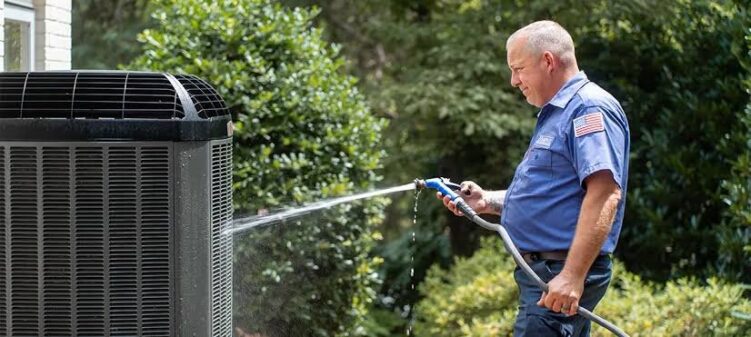
There is no single clearance measurement that applies to every AC condenser. Required spacing depends on the manufacturer, model, airflow design, surrounding structures, and whether multiple outdoor units are installed nearby.
The manufacturer’s installation manual should be the starting point because condenser designs vary. Installers should follow the exact clearance dimensions listed in the equipment installation manual rather than relying on a generic rule such as “keep it a couple of feet from everything.” Local building and mechanical codes may impose additional requirements.
Many installations require open space around the sides of the condenser and substantially more open space above the fan discharge. Additional room may also be needed on the service-access side so a technician can remove panels, connect gauges, clean the coil, and replace components. These service requirements are an important part of proper AC unit placement.
One detail homeowners often miss is that clearance is not only about airflow. A unit can technically have enough airflow and still be poorly located if a fence prevents a service panel from opening or if shrubs make coil cleaning nearly impossible.
It is also important to look above the unit. Many condensers discharge air vertically, so decks, low roofs, awnings, dense tree branches, or decorative covers can interfere with the path of hot air.
Planning clearance in all directions helps prevent both performance and maintenance problems. For this reason, air conditioner outdoor unit placement should consider technician access as well as airflow.
How Air Conditioning Unit Placement Increases System Strain
Poor placement can create operating conditions that repeatedly place additional load on the system.
For example, a condenser that repeatedly recirculates hot discharge air may operate at higher condensing temperatures and pressures. A unit surrounded by debris may also develop dirty coils more quickly, while poor drainage or constant roof runoff can accelerate corrosion. These are examples of how poor placement of air conditioning unit equipment can affect the operating environment.
The concern is usually cumulative rather than immediate. These conditions can increase stress on components such as the compressor and condenser fan motor over thousands of operating hours.
Placement alone does not determine equipment lifespan. Maintenance quality, installation workmanship, refrigerant charge, electrical conditions, equipment sizing, climate, and operating hours all matter. Still, providing the outdoor unit with good airflow and a clean operating environment removes several avoidable sources of stress.
Location is only one part of equipment longevity, but it is unusual because it affects the system every time it runs. Correcting a bad environment can therefore have value beyond a single season’s electric bill. Proper AC outdoor unit placement can help remove unnecessary operating stress even though it cannot compensate for mechanical or maintenance problems.
Placement Of Air Conditioning Unit Mistakes To Avoid
One of the most common mistakes is choosing a location based primarily on appearance. Hiding a condenser behind a tight fence, decorative screen, or dense hedge can interfere with the airflow the equipment needs.
Other placement mistakes include installing the unit in a narrow, poorly ventilated passage, crowding it against walls or fencing, positioning it beneath heavy roof runoff, locating it near dryer vents or other exhaust outlets, building a cover above the condenser that traps discharge air, or ignoring the manufacturer’s required clearances. These issues can turn an otherwise acceptable AC unit location into a poor operating environment.
A common mistake is solving one problem while creating another. Homeowners may add a shade cover that blocks vertical discharge.
Homeowners should also think ahead. A location that is open today may become restricted after a fence, deck, shed, addition, or landscaping project is installed. Long-term placement of air conditioning unit equipment should account for these potential property changes.
Other less obvious mistakes include positioning the condenser where irrigation sprays mineral-rich water onto the cabinet, snow naturally collects, or a neighboring condenser blows hot air toward it.
A good installation anticipates how the surrounding area will actually be used, landscaped, and modified. Good air conditioning unit placement should work not only at the time of installation but throughout the expected service life of the equipment.
When To Relocate Your AC Unit Placement
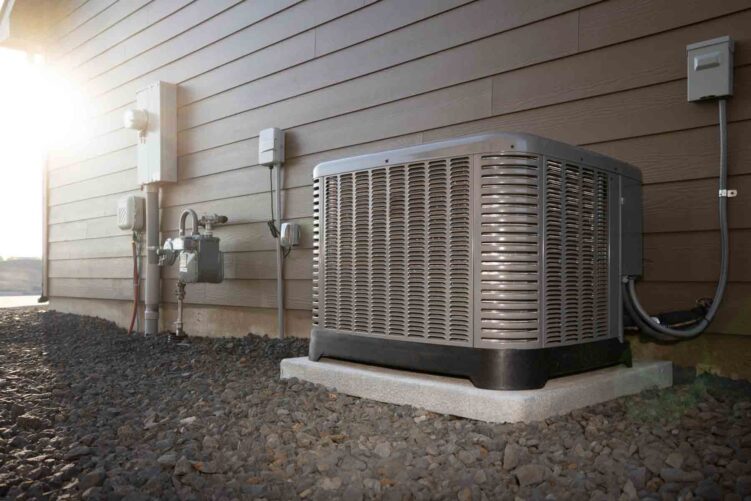
Relocation is worth evaluating when the current location clearly interferes with airflow, serviceability, or safe operation.
Examples include a condenser trapped between close walls, surrounded by newly installed fencing, enclosed by an addition or courtyard, positioned beneath a low deck, crowded by another outdoor unit or additional mechanical equipment, repeatedly covered with debris, or located where persistent hot-air recirculation occurs.
Relocation may also make sense if landscaping cannot be modified enough to provide adequate clearance. In these cases, changing the placement of AC outdoor unit equipment may provide a more stable operating environment.
Before moving the equipment, an HVAC professional should confirm that placement is actually contributing to the problem and determine whether a simpler correction would solve it. Moving or opening a fence section, trimming landscaping, improving drainage, redirecting a dryer vent, removing an overhead obstruction, improving clearance, or cleaning the condenser may provide most of the benefit at much lower cost.
High energy bills or poor cooling can also result from dirty coils, duct leakage, low airflow indoors, incorrect refrigerant charge, failing components, poor insulation, or an aging system.
Relocating a condenser involves refrigerant piping, electrical work, drainage considerations, equipment supports, and sometimes permits. Because of the labor involved, the best solution may be to improve the existing location rather than move the unit. When relocation is necessary, choosing the best location for AC unit equipment should be based on manufacturer requirements, airflow, service access, and site conditions.
Relocation becomes more attractive when major HVAC work is already planned. If the system is being replaced, refrigerant lines are being changed, or the property is undergoing renovation, that may be the most practical time to reconsider condenser placement. This can also be a practical opportunity to correct poor placement of air conditioning unit equipment without making relocation a separate project.
The decision should be based on a specific performance or access problem rather than the assumption that moving the unit will automatically lower energy bills.