Italy rewards travellers who wander away from the obvious. Everyone knows about the Colosseum, St Peter’s and the country’s endless cobblestone streets, yet beyond these icons lies a world of flavours, landscapes and rituals that shape daily life.
Picture yourself haggling for seasonal fruit in a bustling piazza or floating in a warm natural pool under the Tuscan sun.
In this guide I will tell you what to do in Italy besides museums, churches, and walking routes while keeping the journey spontaneous and joy‑filled.
Culinary adventures beyond museum cafés
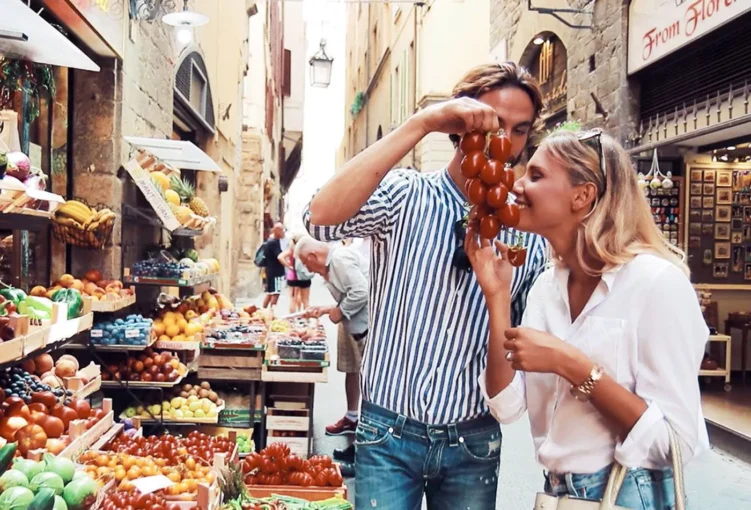
In cities and small towns alike, local markets spill onto streets with colourful displays. Most communities hold a weekly market selling fruit, vegetables, meat and clothing; once a month speciality markets offer regional products with DOP or IGP status.
Watching how locals choose their vendors teaches you when produce is at its peak. Don’t be shy: vendors happily let you sample olives or cheese, and every market has a stall serving authentic street food.
I once joined a cooking class in Verona after chatting with a vendor; we transformed humble market finds into a multi‑course meal and learned that Italian cuisine is as much about friendship as flavour.
Markets and street food
Italian street food reflects centuries of resourcefulness. A
t the market in Florence you’ll see locals tucking into trippa or lampredotto (a tender tripe sandwich), while in Pisa the snack of choice is cecina, a thin chickpea pancake.
Vendors in Tuscany might prepare a warm panino con la porchetta, stuffing roasted pork into crusty bread with crackling still attached.
Every city, town and village has its own weekly market where seasonal produce is sold and bargaining is part of the ritual.
To avoid getting overwhelmed, arrive early and observe locals before choosing where to shop. Smile, ask for “un assaggio” (a taste) and you’ll be rewarded with generous samples.
Shopping this way turns grocery runs into conversations and gives you an authentic window into daily life.
Sip and savour – wine tasting and vineyards
Wine isn’t just another drink in Italy – in Tuscany it’s a cultural product that reflects soil, climate and tradition.
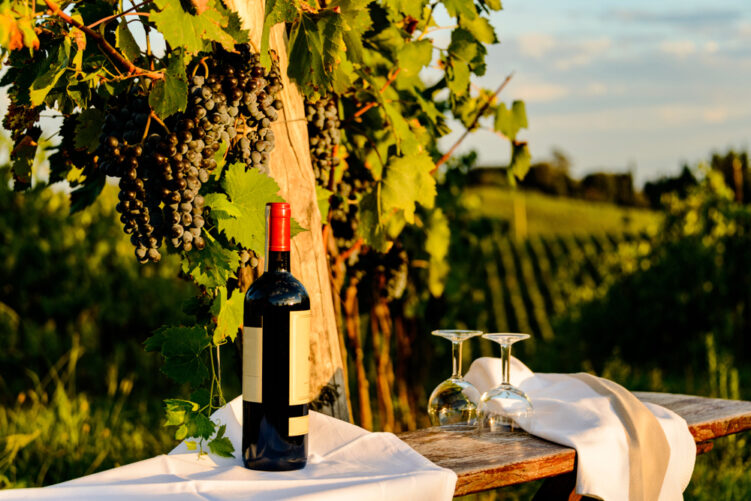
The Chianti region, known for its Sangiovese‑based reds, is one of Italy’s best‑known appellations. You can sample local vintages at an enoteca (wine bar) or restaurant, but visiting wineries and walking among vines offers a much deeper connection.
Winemakers love explaining why a vineyard’s slope or soil matters, and many estates pair tastings with olive oil and pecorino cheese.
It helps to plan your itinerary because the Chianti region spans many hill towns.
Here’s an easy framework to get the most out of your visit:
| Experience | Highlights |
| Visit an enoteca | Try flights of local wines with cured meats. |
| Tour a winery | Walk through vineyards and learn about production. |
| Dine at an agriturismo | Pair house wines with farm‑to‑table meals. |
| Attend a harvest festival | Celebrate the grape harvest with locals. |
Use this as inspiration rather than a checklist. Each village has its own rhythm, and lingering over a glass while chatting with the winemaker often leads to unexpected adventures.
Soak in natural thermal baths
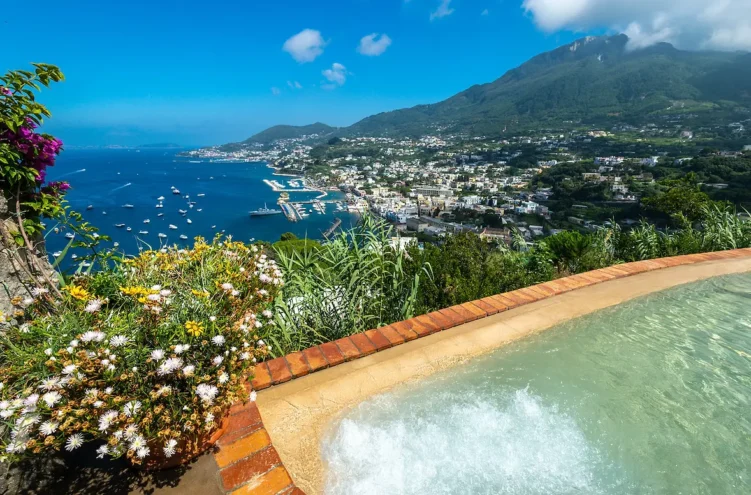
Italy’s volcanic landscape hides an abundance of natural hot springs whose use predates the Roman Empire.
The Nitrodi springs on the island of Ischia were famed for their curative properties 3 000 years ago; visitors today can bathe in the same mineral‑rich waters surrounded by Mediterranean flora.
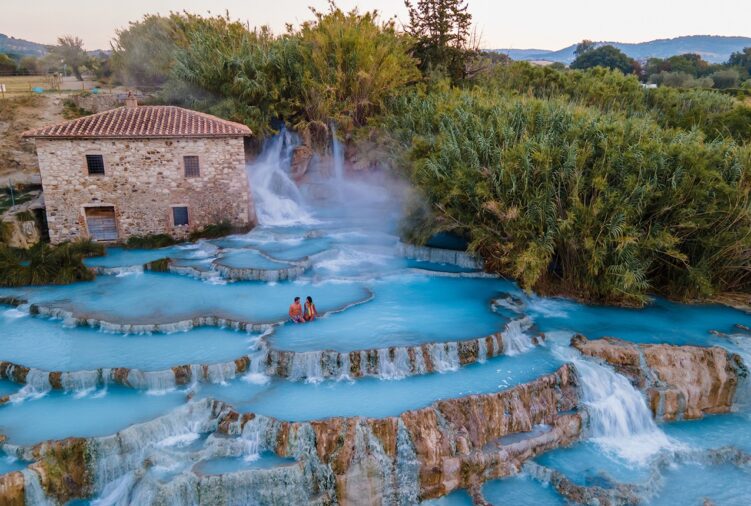
In southern Tuscany, Cascate del Mulino at Saturnia cascades down travertine terraces into milky blue pools that remain around 37 °C all year. Travellers walking the ancient Via Francigena often rested at Bagno Vignoni, a village where the central Renaissance square is filled by a thermal pool.
Though you can no longer swim there, nearby Parco dei Mulini offers free access to warm waters.
For a spa experience with classical grandeur, head to Montecatini Terme; its late 18th‑century revival of hydroponic therapies earned it recognition as part of the UNESCO “Great Spa Towns of Europe”.
Catch an opera or festival
To feel Italy’s passion for performance, spend an evening at the opera or join a centuries‑old festival.
Naples’ Teatro di San Carlo opened in 1737 and is the world’s oldest active opera house; its horseshoe auditorium now seats about 1 386.
Milan’s La Scala opened in 1778 and premiered works by Verdi and Puccini. Venice’s La Fenice, built in 1792 and rebuilt after fires, launched operas by Bellini, Rossini and Verdi.
Outside the theatre, Siena’s Palio pits ten neighbourhoods against each other in a bareback horse race each 2 July and 16 August.
Venice’s Carnival, revived in 1979, attracts millions to masked parades and ends on Shrove Tuesday with a contest for the most beautiful mask. Whether under crystal chandeliers or cheering in a sun‑baked piazza, these spectacles show how Italians celebrate community.
Explore islands and villages
Beyond the mainland, Italy’s islands provide adventures far removed from museum queues. Sardinia feels like its own small continent: the island combines crystal‑clear waters, beaches of soft white sand and granite rocks framed by wild Mediterranean scrub.
Exploring its interior reveals Bronze Age nuraghe ruins and shepherds producing tangy pecorino cheese, while coastal towns hint at mining history. Back on the mainland, Italy’s lesser‑known villages invite unhurried discovery.
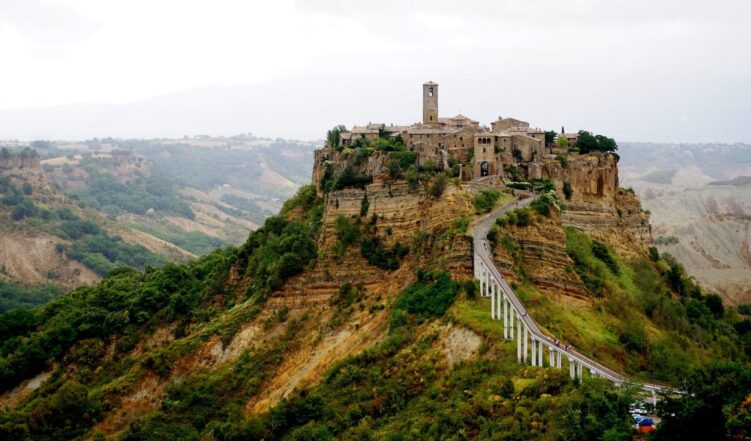
The non‑profit association I Borghi più belli d’Italia was founded in 2001 to preserve villages of historical and artistic interest; membership grew from around 100 towns at inception to 361 by 2023. Visiting these hamlets means wandering through medieval alleys, tasting local pastries and chatting with artisans.
Time seems to slow down in places like Civita di Bagnoregio or Locorotondo, where balconies overflow with geraniums and evenings are filled with laughter in the piazza. Each village offers a sense of home you won’t find in tourist hubs.
Bringing it all together
Italy’s charms aren’t confined to grand cathedrals or famous paintings; they’re woven into everyday rituals and landscapes.
Wander through a market and let the scent of ripe peaches guide your next purchase. Learn a family recipe in someone’s kitchen, or toast new friends with a glass of Sangiovese in a vineyard.
Spend a night at an agriturismo and wake to rooster crow instead of church bells. Float in a thermal pool that soothed weary pilgrims centuries ago, then dress up for an opera or cheer at the Palio.
Take a ferry to Sardinia or lose yourself in a hilltop village where life moves at a different pace. Ultimately, the question of what to do in Italy besides museums, churches, and walking routes becomes an invitation to engage with the country’s living culture.
And if the flavours inspire you to hone your skills, sign up for a cooking class in Rome and bring a taste of Italy home.